Hydroponic Pothos

Devil's Ivy (aka golden pothos), is a hardy, beginner house plant; it was one of my first. I named mine Ivy, a shortened version of Devils Ivy, and eagerly welcomed her into our home. By propagating her vines (cutting and rooting), I get to share a piece of Ivy with all of you. Now, you can start your very own plant family with the same plant that started mine. 

These plants live in water, so no watering needed! I use upcyled glassware for each one. They are exclusively sold at the Artisans Mall in Canoga Park.

...🌱the plants are growing. Restock coming soon!

artfully made artisans mall in canoga park with plants sold by hello regulation

Ivy’s Story

Ivy was a housewarming gift to me back in 2021 from my great grandmother. She didn't have any hanging vines yet, and now her vines are longer than me! Today, she is highly cherished in the home and is one of our most veteran plants. I care for Ivy deeply, and it's an honor to share a piece of her with all of you. Scroll to see how much she's grown, and one of her first soil propagations.

3 Wellness Practices for You and Your Ivy

I had no idea these leafy friends would teach me so much about life. Growing them has taught me about cycles, renewal, patience, and presence. Use these wellness practices with your new plant baby as a way to invite more self-care into your own life, and grow alongside your Ivy.

These practices are designed to be brief and highly accessible. Small, consistent steps build momentum over time, grounding your nervous system and supporting your body's natural capacity for self-regulation. By committing to this practice daily, you can expect to see measurable, subtle changes in your emotional regulation within one to two months.

A · Breath

Meditation

Breath-work is a foundation of nervous system regulation. Try this 2-3 times a week with your plant, working up to daily if possible.

1. Close your eyes, take a deep breath in through your nose and fill your lungs, pause, then sniff in a little more air. This maximizes lung expansion, activating the calming neural receptors located at the base of your lungs.

2. Forming an O shape with your lips, exhale slowly out of your mouth, gently blowing the air over your Ivy's leaves. As you breathe out, drop your shoulders, and relax your body.

3. Repeat this sequence three to five times. Take your time.

Use this brief moment of stillness to anchor yourself. Your Ivy will thrive on the fresh carbon dioxide and intentional attention, while your nervous system benefits from an immediate reset.
B · Sound

Affirmations

Did you know that speaking to your plants can stimulate growth for both of you? Research indicates that sound vibrations, particularly gentle human speech, can positively influence plant vitality. Concurrently, vocalizing positive affirmations stimulates neural pathways and rewires the subconscious mind. Aim to practice this two to three times a week, gradually building to a daily routine.

1. Choose one to three positive statements that apply universally to both you and your plant. You can use the same core phrases or select new ones intuitively each day.

2. Position yourself close to your Ivy. Speak your affirmations aloud using three distinct perspectives: You, I, and We. For instance, if your phrase is "I am beautiful," vocalize it as: "You are beautiful. I am beautiful. We are beautiful."

3. Repeat the cycle two to three times while breathing deeply. Pay close attention to your somatic responses. If you notice areas of physical tension or emotional discomfort, simply acknowledge them, direct your breath to that space, and allow your body to soften as you affirm.

Example Affirmations:

  • I grow a little more each day.
  • I am safe to take my time.
  • My presence is enough.
C. · Sight

Presence

In macro photography, a lens captures the intricate, hidden details of nature up close. This final exercise uses that same hyper-focused perspective as a cognitive anchor. Practice this technique whenever you experience racing thoughts or mental fatigue. By shifting your attention to a singular, calming visual anchor, you effectively down-regulate an overactive nervous system.

  1. Position yourself close to your Ivy. Spend a few minutes observing her intricate physical details. Trace the micro-patterns on a single leaf, examine the structure of her nodes, or notice the subtle textures along her stems and roots. View her from entirely new angles with a detached, curious mind while maintaining deep, steady breathing.
  2. Allow this heightened state of presence to soothe your mind. Once you master this grounding technique indoors, I invite you to extend the practice outside. Spend five minutes focusing on the deep grooves of tree bark or studying the geometry of an overhead tree canopies to trigger an immediate mental reset.
  3. If your mind begins to wander or race, do not judge the distraction. Acknowledge the thoughts, and gently redirect your awareness back to your Ivy. Remind yourself that for these few minutes, your only task is to practice presence and allow yourself to rest.

Repot Guide

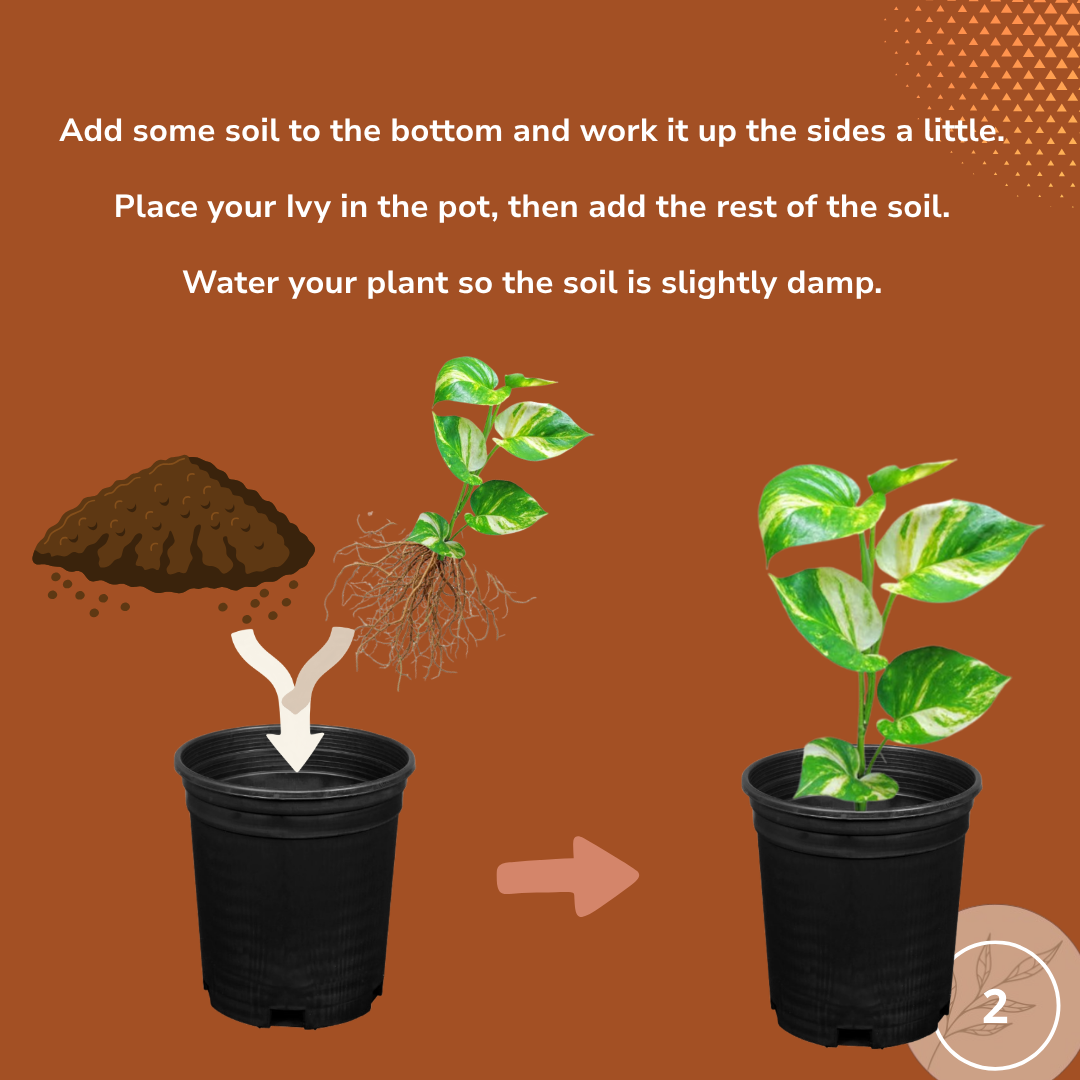
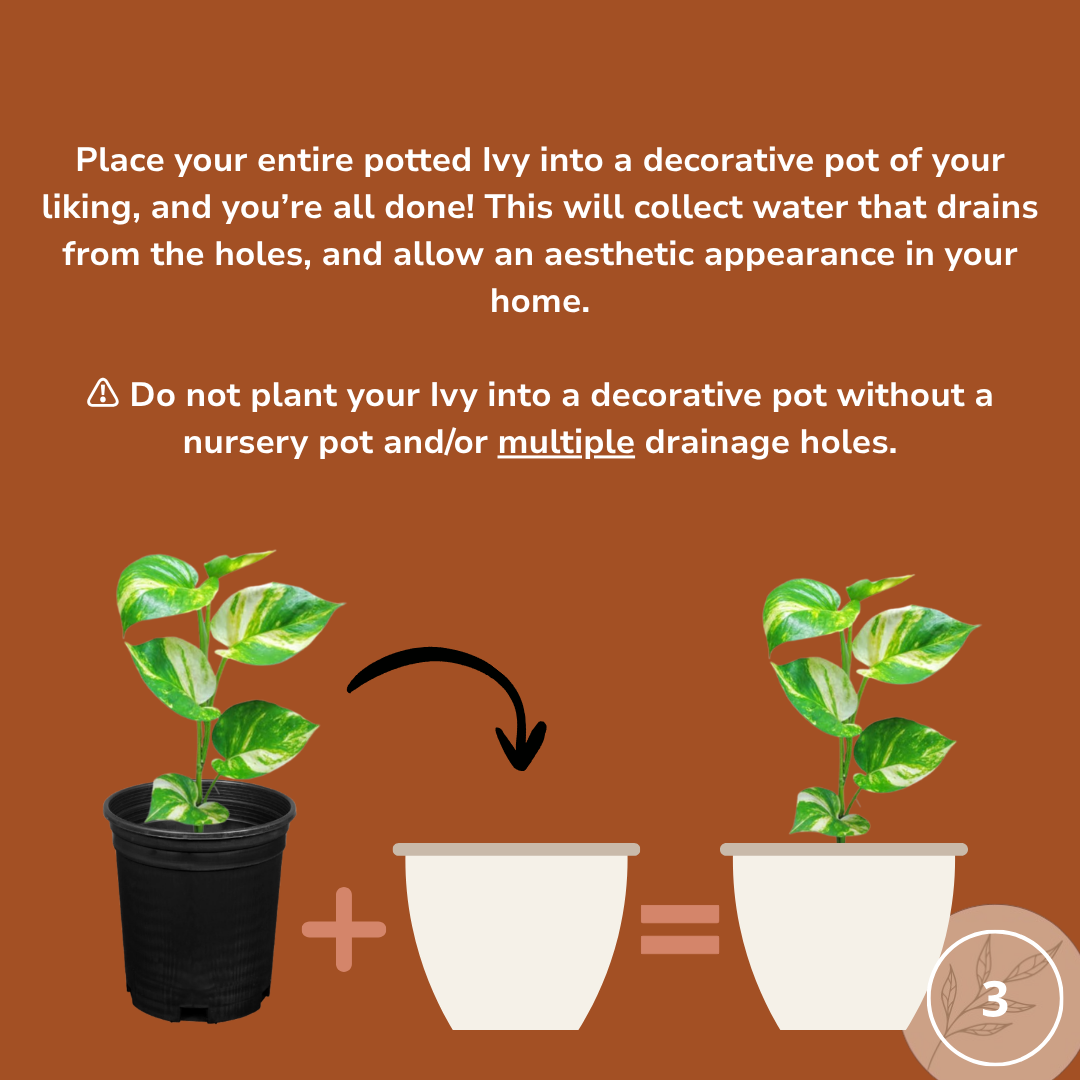
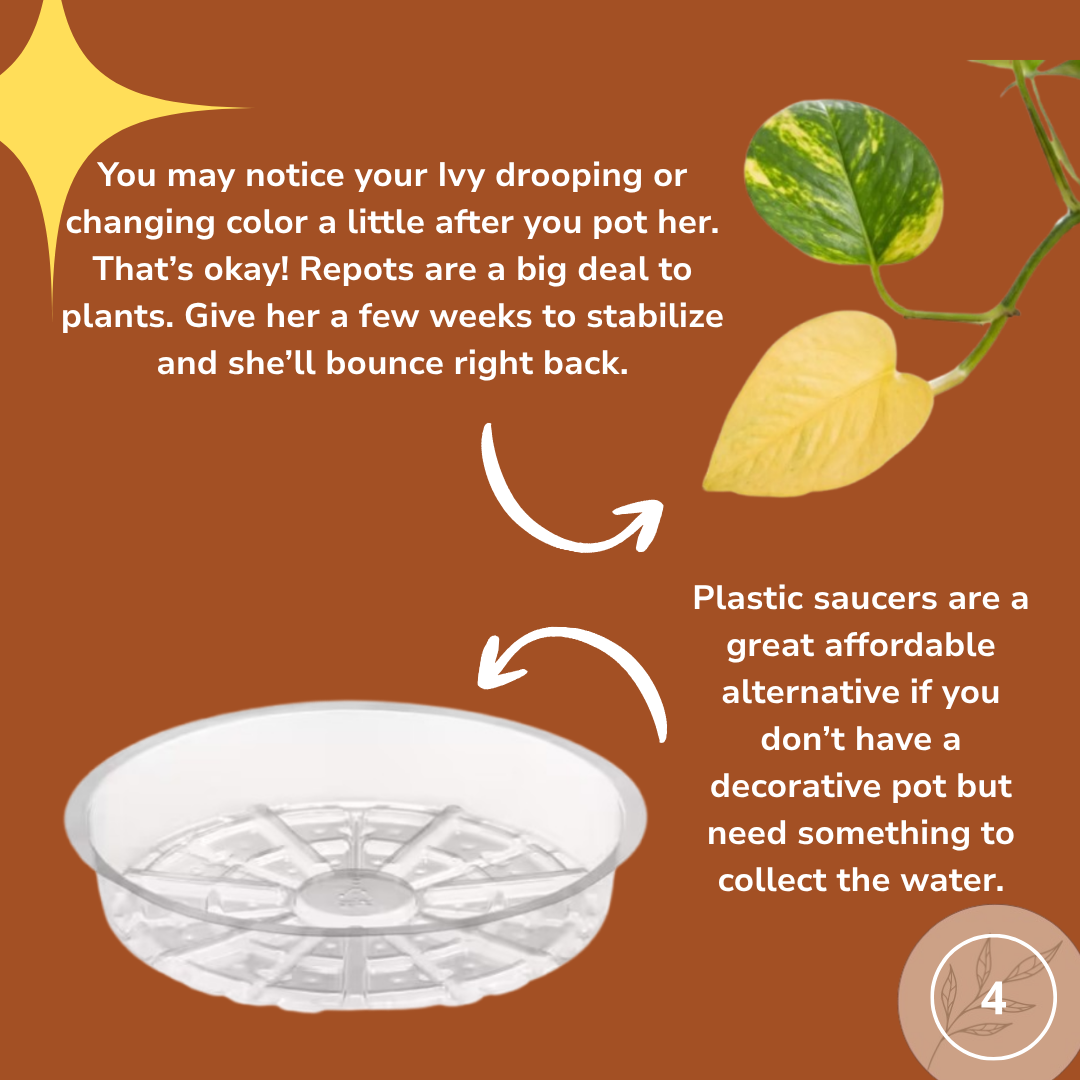
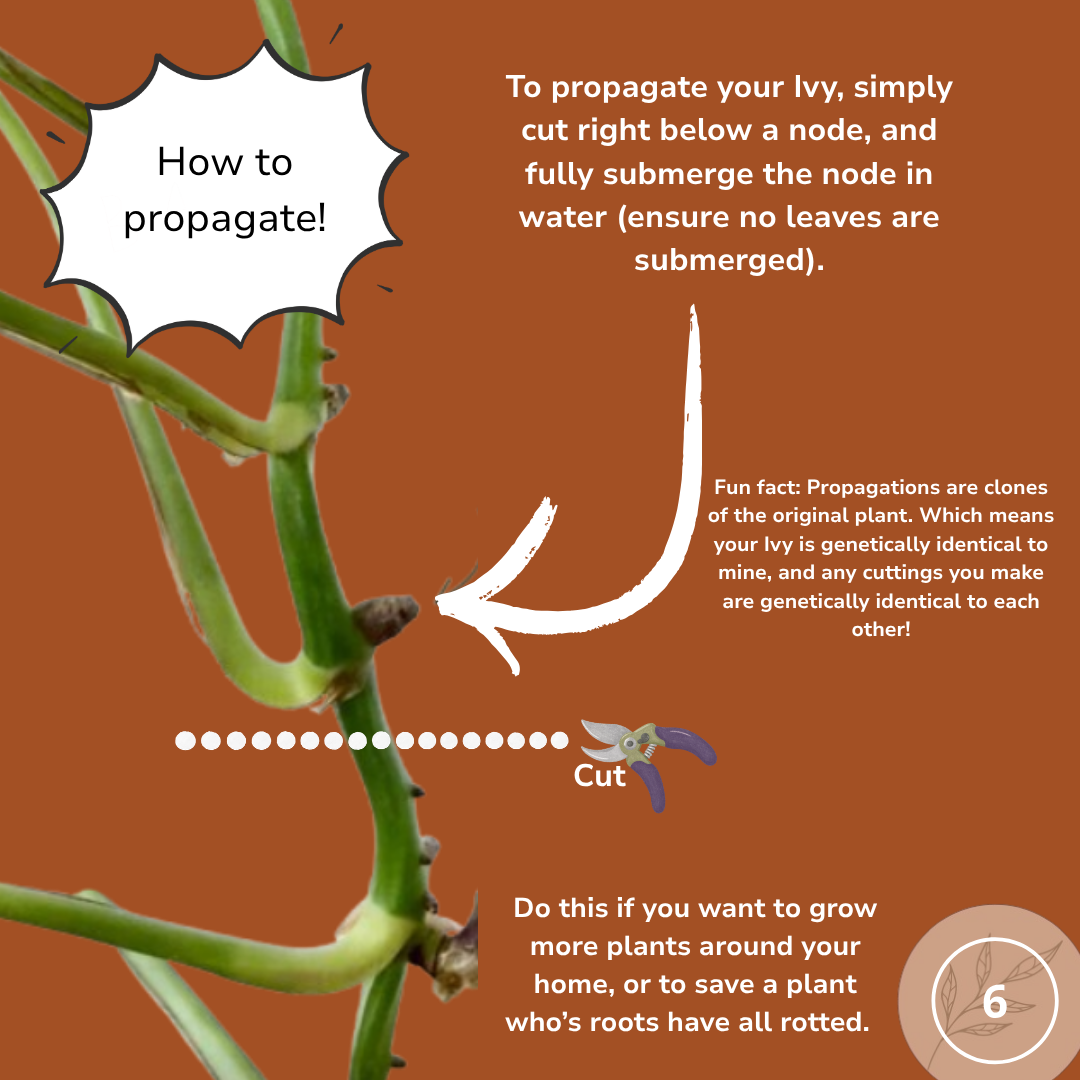
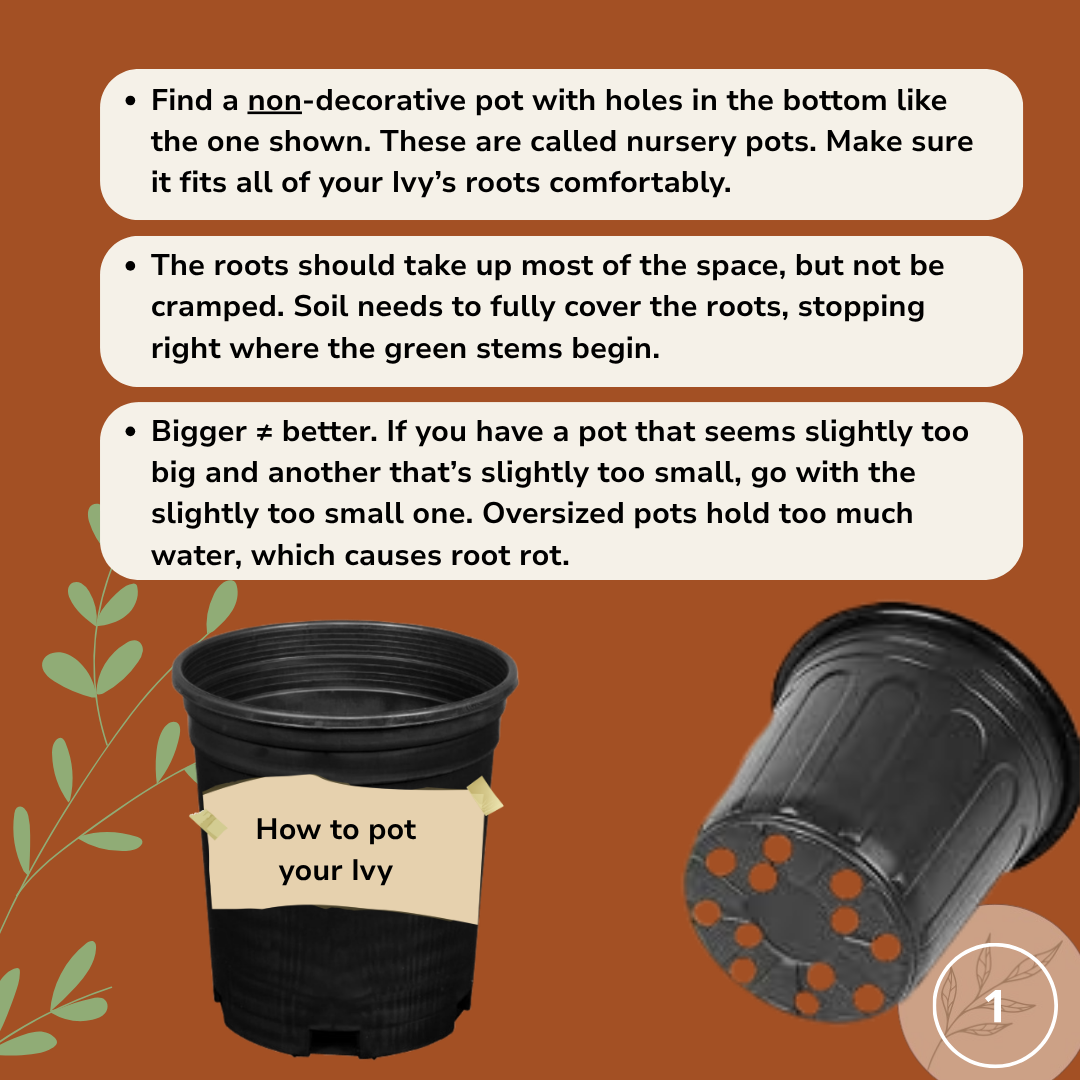
When you are ready to transition your Ivy to soil, swipe through the slides below to follow these essential steps. I have also included instructions on how to propagate your Ivy so you can successfully cultivate entirely new plants. This exact same methodology doubles as a rescue strategy if you ever notice your plant's health declining.

how to pot a golden pothos, aka devils ivy, water propagation into soil